Certificate in Food Hygiene - level Four
It is important for everyone in the food industry who is managing or supervising position to have mastered the principles of good practice in food safety, thus gaining the ability to guide and advise on the management of food hygiene in a food business. This five day course is the natural progression for those who have a level 3 qualification and is tailored to there needs. This course is also recommended for those wishing to deliver food hygiene training. Assessment is through assignment and written exam.

Course prerequisite: Level three qualification and a good working knowledge of the food industry and its supply chain
Certificating Body: Chartered Institute of Environmental Health (C.I.E.H.) Level 4
Course Length: 5 day
Course Times: 9.30am to 4.00pm or to suit client.
Instructor: Various
Cost: On application
Venue: Marsh Hill Centre, Marsh, Aylesbury. HP17 8ST or to suit client
Maximum Trainees: Up to 10
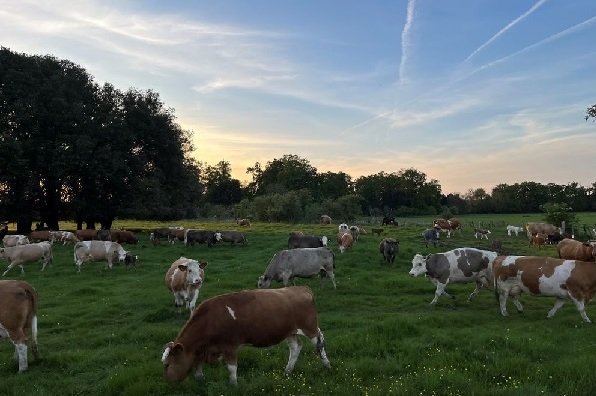
It is with immense pride that we announce that Kate Mason has been awarded the Women in Agriculture Education and Training Woman of the Year award at the The National Women in Agriculture Awards 2026, and is the icing on the cake as she celebrates 40 years of working with and for Vale Training Services Ltd.
The event celebrated 13 exceptional women from across the UK farming sector during a ceremony held on 5 May at the De Vere Grand Connaught Rooms. Organised by Mark Allen Group and supported by sponsors including Nestlé UK & Ireland, Co-op, HSBC UK, NFU, Noble Foods, and Pig World where you can read the full report, the awards recognised outstanding contributions across the agricultural industry.
Winners were chosen from an extremely competitive shortlist, highlighting the growing strength, influence, and visibility of women throughout the sector.
For more information visit the NFU online page.
 |
 |
Course Content
The course covers the following content;
• An introduction to food safety management.
• Ensuring compliance with legislation and industry guidance.
• Food safety hazards.
• Allocation of responsibilities.
• Managing the operational requirements of a safe food business.
• Cleaning and disinfection regimes.
• Supplier quality and safety controls.
• Pest control.
• Establish food safety management procedures.
• Monitoring the implementation of food safety management procedures.
• Maintaining food safety management procedures.
• Communication, sources of information and training.
Assessment is through assignment and written exam.
 |
 |