Identification of Invasive and Injurious Species
It is with immense pride that we announce that Kate Mason has been awarded the Women in Agriculture Education and Training Woman of the Year award at the The National Women in Agriculture Awards 2026, and is the icing on the cake as she celebrates 40 years of working with and for Vale Training Services Ltd.
The event celebrated 13 exceptional women from across the UK farming sector during a ceremony held on 5 May at the De Vere Grand Connaught Rooms. Organised by Mark Allen Group and supported by sponsors including Nestlé UK & Ireland, Co-op, HSBC UK, NFU, Noble Foods, and Pig World where you can read the full report, the awards recognised outstanding contributions across the agricultural industry.
Winners were chosen from an extremely competitive shortlist, highlighting the growing strength, influence, and visibility of women throughout the sector.
For more information visit the NFU online page.
 |
 |
This two day course is suitable for a variety of roles in the control and management of non-native invasive and injurious species. The training is also suitable for anyone looking to progress to completing the Lantra Level 2 Award in the Identification of Invasive and Injurious Species. The course is a mix of training and assessment.
Pre Course Requirements:- None
Course Certification:- Lantra
Course Length:- 2 days depending delegates level of experience and delegate ratio.
Course Times:- 9.30AM to 4.30PM
Instructor:- Various.
Cost:- Price on application
Venue:- Marsh Hill Farm, Marsh, Aylesbury . HP17 8ST or to suit client
Maximum number of delegates:- 3-6 depending on experience. (Novice 3 experienced 6)
The course will cover the following:-
- The terms ‘native’ and ‘non-native’ species
- Threats posed by invasive species
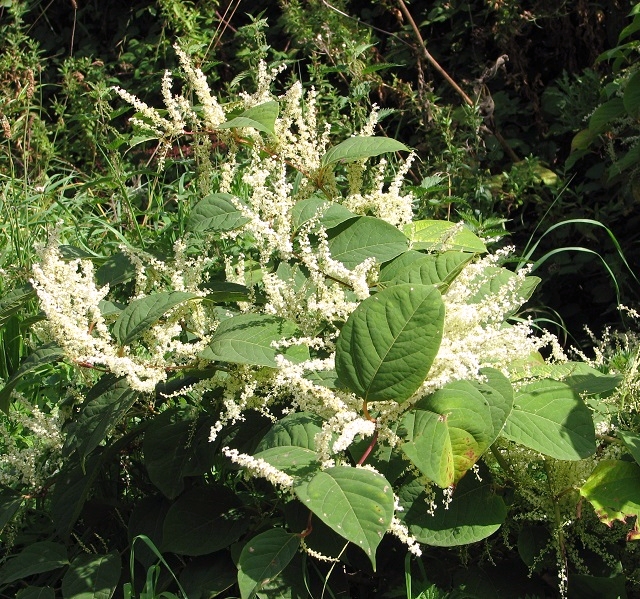
- Identifying invasive plant species
- The term ‘injurious’ species
- Identifying injurious plant species
- Identifying injurious species of insect
- Actions to take when injurious species are identified and if people are affected by them
- Legislative requirements, Code of Practice and Industry Guidance relating to the control of Japanese knotweed
- The impact of Japanese knotweed
- Identifying Japanese knotweed and the plants which are commonly mistaken for Japanese knotweed
- Recommended methods to control Japanese knotweed in different situations
- Requirements to monitor and further treat any subsequent regeneration
- Records which must be kept when controlling Japanese knotweed.
Back to Landbased Courses
 |
 |